
|

|
||||||||||||||||||||||||||||||||||||||||||||||||||||||||||
|
| |||||||||||||||||||||||||||||||||||||||||||||||||||||||||||
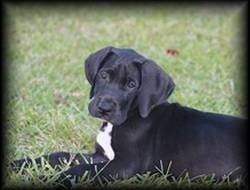
Great Dane Growth Chartch_client = "greatdane-dog-world"; ch_type = "mpu"; ch_width = 468; ch_height = 250; ch_color_bg = "FFFFFF"; ch_color_border = "FFFFFF"; ch_color_title = "0D37CC"; ch_color_site_link = "0D37CC"; ch_color_text = "000000"; ch_non_contextual = 4; ch_vertical ="premium"; ch_sid = "Chitika"; var ch_queries = new Array( ); var ch_selected=Math.floor((Math.random()*ch_queries.length)); if ( ch_selected < ch_queries.length ) { ch_query = ch_queries[ch_selected]; } Our Great Dane Growth Chart is on an Standard Average rate of growth for a Dane. One of the most common questions asked by new Dane owners is how quickly will our puppy grow and just how big will they get. This chart will help answer this question. Your Great Dane will grow as much in one year as many humans do in eighteen years. Proper nutrition during this time is essential. Tip: Height is measured at the withers, the highest part of the back between the shoulder blades.
Resources:CHROMADANE 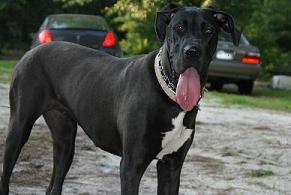  Table of Contents |  Click Here to Vote for My Site! Click Here to Vote for My Site!
| ||||||||||||||||||||||||||||||||||||||||||||||||||||||||||
| Enjoy This Site? Then why not use the button below, to add us to your favorite bookmarking service? [?] Subscribe To This Site
  | |||||||||||||||||||||||||||||||||||||||||||||||||||||||||||
Great Dane Growth Chart Beginning 
Welcome to the World of the Great Dane.This website strives to bring you the latest information on Great Danes. The content is updated often so make sure and bookmark this site so you can keep up to date on the information. Link To Us
Return to top The Content of this Website is intended as General Information and is NOT Professional Advice. | |||||||||||||||||||||||||||||||||||||||||||||||||||||||||||
| | |||||||||||||||||||||||||||||||||||||||||||||||||||||||||||


